Source Diesel Solenoid Valve for Generators, Machinery, and Control Systems
Compare 30 Diesel Solenoid Valve options from verified Chinese suppliers. Buyers can evaluate specifications like stroke type, cooling method, and material composition to find suitable units for generators, machinery parts, and control applications.
Key considerations
Products List
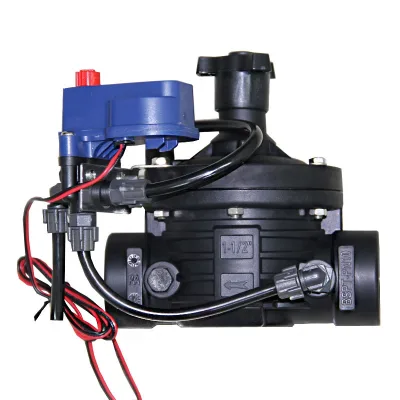


![Genuine Engine Solenoid Valve for Industrial Diesel Engines[Spc004]](https://image.made-in-china.com/221f0j00BzcRjyWKSCkM/Genuine-Engine-Solenoid-Valve-for-Industrial-Diesel-Engines-Spc004-.webp)


Comprehensive Sourcing Guide
Strategic Sourcing Guide for Diesel Solenoid Valves
The global market for diesel solenoid valves is characterized by a complex supply chain where components serve critical roles in fuel injection systems, generator control units, and heavy machinery. For procurement professionals, navigating this sector requires a rigorous approach that distinguishes between generic component listings and verified industrial-grade parts. The following guide synthesizes observed market data and technical requirements to assist buyers in identifying reliable sources for diesel solenoid valves, ensuring that procurement decisions are grounded in verified specifications rather than marketing assertions.
Technical Specifications and Component Identification
When sourcing diesel solenoid valves, the primary objective is to match the component's physical and electrical characteristics to the specific engine or system architecture. The market presents a wide array of configurations, ranging from simple control valves to complex multi-cylinder injection units. Buyers must prioritize the identification of the specific model code, as this is the definitive identifier for compatibility. For instance, specific listings identify components with codes such as "Control Valve for C7 C9" or part numbers like "1.04.02.0572" and "3919422." These identifiers are not merely labels; they dictate the valve's fitment within a particular fuel injection device or generator assembly.
The electrical output is another critical technical parameter. In many industrial applications, the solenoid valve operates on direct current (DC) output types, which must align with the vehicle or generator's electrical system voltage. The physical construction of the valve body is equally significant. Observed data indicates that steel and iron are common materials for the body and internal components, providing the necessary durability to withstand high-pressure diesel environments. Furthermore, the manufacturing process often involves advanced techniques such as CNC machining and thermal gravity casting. These processes ensure that the internal tolerances are precise enough to handle the high-frequency actuation required in diesel engines. The presence of a clay dry sand core or automatic molding lines suggests a focus on mass production consistency, which is essential for maintaining uniform performance across large batches of valves.
Compliance and Certification Verification
In the B2B procurement of industrial components, certification serves as a proxy for quality assurance and regulatory compliance. Buyers must verify that suppliers possess valid certifications that align with international standards. The market data highlights several key certifications, including ISO 9001, CE, and RoHS. The presence of ISO 9001 indicates that the manufacturer adheres to a recognized quality management system, ensuring consistent production processes. CE marking is crucial for products intended for the European market, signifying compliance with health, safety, and environmental protection standards. RoHS compliance is equally vital, as it restricts the use of specific hazardous materials in electrical and electronic equipment, which is a standard requirement for modern diesel components.
However, buyers should exercise caution when interpreting certification claims. While some listings explicitly state "CE, ISO 9001:RoHS," others may list certifications in a fragmented manner. It is the buyer's responsibility to request valid, up-to-date certification documents from the supplier rather than relying solely on product page descriptions. Additionally, the standard component status is a key indicator; parts labeled as "Standard Component" are generally interchangeable and easier to source, whereas custom parts may require longer lead times and higher minimum order quantities. The absence of a specific certification in a listing does not necessarily imply non-compliance, but it does necessitate a deeper verification process before proceeding with a purchase.
Cost Drivers and Pricing Dynamics
The pricing structure for diesel solenoid valves is influenced by a combination of material costs, manufacturing complexity, and order volume. The observed market data reveals a vast price range, spanning from $0.17 to $99,999. This extreme variance underscores the importance of defining the exact scope of the procurement. The lower end of the spectrum typically corresponds to smaller, generic control valves or accessories, while the higher end reflects complex, high-pressure injection units or bulk industrial orders.
Material composition is a primary cost driver. Valves constructed from copper or steel, as noted in various listings, will have different cost structures based on current commodity prices. The manufacturing process also plays a significant role; components produced via CNC machining or thermal gravity casting often command a premium due to the precision and equipment required. Furthermore, the minimum order quantity (MOQ) significantly impacts the unit price. Listings show MOQs ranging from 6 pieces to 5,000 pieces. Buyers purchasing small quantities, such as the 6-piece MOQ observed for specific control valves, will likely face higher per-unit costs compared to those ordering in bulk. Customization is another factor; while available in the market, custom orders typically incur additional tooling and setup fees, increasing the overall cost.
Typical Applications and Usage Scenarios
Diesel solenoid valves are integral to a diverse range of applications, primarily centered around power generation and heavy machinery. The most common application identified is the diesel generator, where the valve regulates fuel flow to ensure stable engine operation. These valves are also essential in common units used for general industrial purposes, including construction equipment and agricultural machinery. The specific application dictates the required performance characteristics; for example, a valve used in a land-use generator must be robust enough to handle vibration and varying environmental conditions.
The installation method is another critical consideration for application suitability. While some valves are designed for portable installation, others are intended for fixed machinery. The cooling method, such as air cooling, is also a key specification that must match the thermal profile of the host engine. Additionally, the fuel type is a non-negotiable constraint; these valves are specifically engineered for diesel fuel, and using them with other fuel types can lead to immediate failure. Buyers must ensure that the valve's application matches the intended use case, whether it is for a specific generator model or a broader machinery parts assembly.
Supplier Evaluation and Operational Capabilities
Evaluating a potential supplier requires a deep dive into their operational capabilities and production capacity. A reliable supplier should demonstrate a clear capacity for mass production, with some facilities reporting an annual output of up to 10,000 tons. This capacity ensures that the supplier can meet large-scale demand without significant delays. The presence of a dedicated R&D team, often consisting of 5 to 10 people, is a strong indicator of a supplier's ability to innovate and adapt to changing technical requirements.
Quality control is another pivotal aspect of supplier evaluation. Suppliers that implement a 100% inspection protocol offer a higher level of assurance regarding product consistency. The use of automatic molding lines and precise surface treatments, such as sand blasting to achieve a surface roughness of Ra6, further demonstrates a commitment to high-quality manufacturing. Buyers should also verify the supplier's lead time capabilities. While some listings indicate a delivery time of 2 days after payment, others suggest a more standard 15 to 30-day window. Understanding these timelines is crucial for supply chain planning. Additionally, the availability of sample or drawing-based quotes allows buyers to validate the product before committing to a large order.
Quality Control and Long-Term Procurement Considerations
Ensuring the long-term reliability of diesel solenoid valves requires a robust quality control strategy. Buyers should insist on suppliers who provide comprehensive inspection reports and adhere to strict surface treatment standards. The use of specific materials like iron and copper, combined with advanced casting methods, contributes to the longevity of the component. However, the warranty period is a critical metric for risk management. A standard warranty of 1 year is commonly observed, but buyers should clarify the terms of coverage, including what constitutes a defect versus normal wear and tear.
Packaging is often overlooked but plays a vital role in preventing damage during transit. Listings indicate various packaging methods, from standard cartons to custom requirements like "Vovt" or "as Required." For international shipments, proper packaging is essential to protect the valve from moisture and physical impact. Furthermore, the language support provided by the supplier, with options for multiple languages, can facilitate smoother communication and reduce the risk of specification errors.
Comparative Analysis of Key Attributes
To facilitate decision-making, the following table summarizes the key attributes observed in the market for diesel solenoid valves. This comparison highlights the variability in specifications and helps buyers identify the most suitable options for their specific needs.
| Attribute Category | Observed Specifications | Relevance to Procurement |
|---|---|---|
| Material Composition | Steel, Iron, Copper | Determines durability and compatibility with fuel types. |
| Manufacturing Process | CNC Machining, Thermal Gravity Casting, Automatic Molding | Indicates precision levels and production consistency. |
| Certification Standards | ISO 9001, CE, RoHS | Essential for regulatory compliance and quality assurance. |
| Lead Time | 2 days (post-payment) to 30 days | Critical for supply chain planning and inventory management. |
| Minimum Order Quantity | 6 PCS to 5,000 PCS | Influences unit cost and inventory holding requirements. |
| Warranty Coverage | 1 Year Standard | Defines the risk exposure and after-sales support level. |
| Cooling Method | Air Cooled | Must match the thermal requirements of the host engine. |
| Surface Treatment | Sand Blast (Ra6) | Affects corrosion resistance and component lifespan. |
Final Procurement Recommendations
Sourcing diesel solenoid valves requires a balanced approach that weighs technical specifications against cost and supplier reliability. Buyers should prioritize components with verified certifications and clear model codes to ensure compatibility. The wide range of prices and MOQs necessitates a clear definition of project requirements before engaging with suppliers. By focusing on suppliers with demonstrated quality control measures, such as 100% inspection and robust R&D teams, buyers can mitigate the risks associated with component failure. Ultimately, the success of the procurement process depends on thorough due diligence, ensuring that every purchased valve meets the rigorous demands of diesel engine applications.
FAQs
What certifications do diesel solenoid valves typically have?
Diesel solenoid valves often carry ISO 9001, CE, and RoHS certifications. These marks indicate compliance with quality management systems and safety standards, ensuring the components meet international regulatory requirements for industrial use.
Which materials are used for Diesel Solenoid Valve bodies?
Valve bodies are commonly constructed from steel, iron, or copper. These materials provide the necessary durability to withstand high-pressure diesel environments and ensure long-term reliability in heavy machinery applications.
How long is the typical lead time for delivery?
Delivery times range from 2 days after payment to 15-30 days depending on the supplier. Buyers should verify specific timelines as some listings offer rapid shipping while others require standard production windows.
Can I find diesel solenoid valves with customization options?
Yes, customization is available for many Diesel Solenoid Valve listings. Buyers can request specific modifications, though custom orders may involve additional tooling fees and potentially longer lead times compared to standard components.
What is the minimum order quantity for these valves?
Minimum order quantities vary significantly, ranging from 6 pieces to 5,000 pieces per order. Smaller orders like 6 pieces are available for specific control valves, while bulk purchases often require higher volume commitments.
Which cooling methods are used for diesel generator valves?
Air cooling is a common method for diesel generator solenoid valves. This design ensures efficient heat dissipation in land-use applications where the valve regulates fuel flow within the engine assembly.